


Labordiamanten
Lab-Grown Diamonds
Diamanten sind seit Jahrhunderten das Symbol für Liebe, Beständigkeit und Luxus. Doch mit dem Aufkommen von Labordiamanten hat sich die Diamantenbranche grundlegend verändert. Beide Diamantarten – natürliche und im Labor gezüchtete – bieten ihre eigenen Vorteile, aber welcher ist die bessere Wahl für dich? In diesem Beitrag vergleichen wir Labordiamanten und natürliche Diamanten in Bezug auf Qualität, Preis, Ethik und Umweltverträglichkeit, um dir bei der Entscheidung zu helfen.
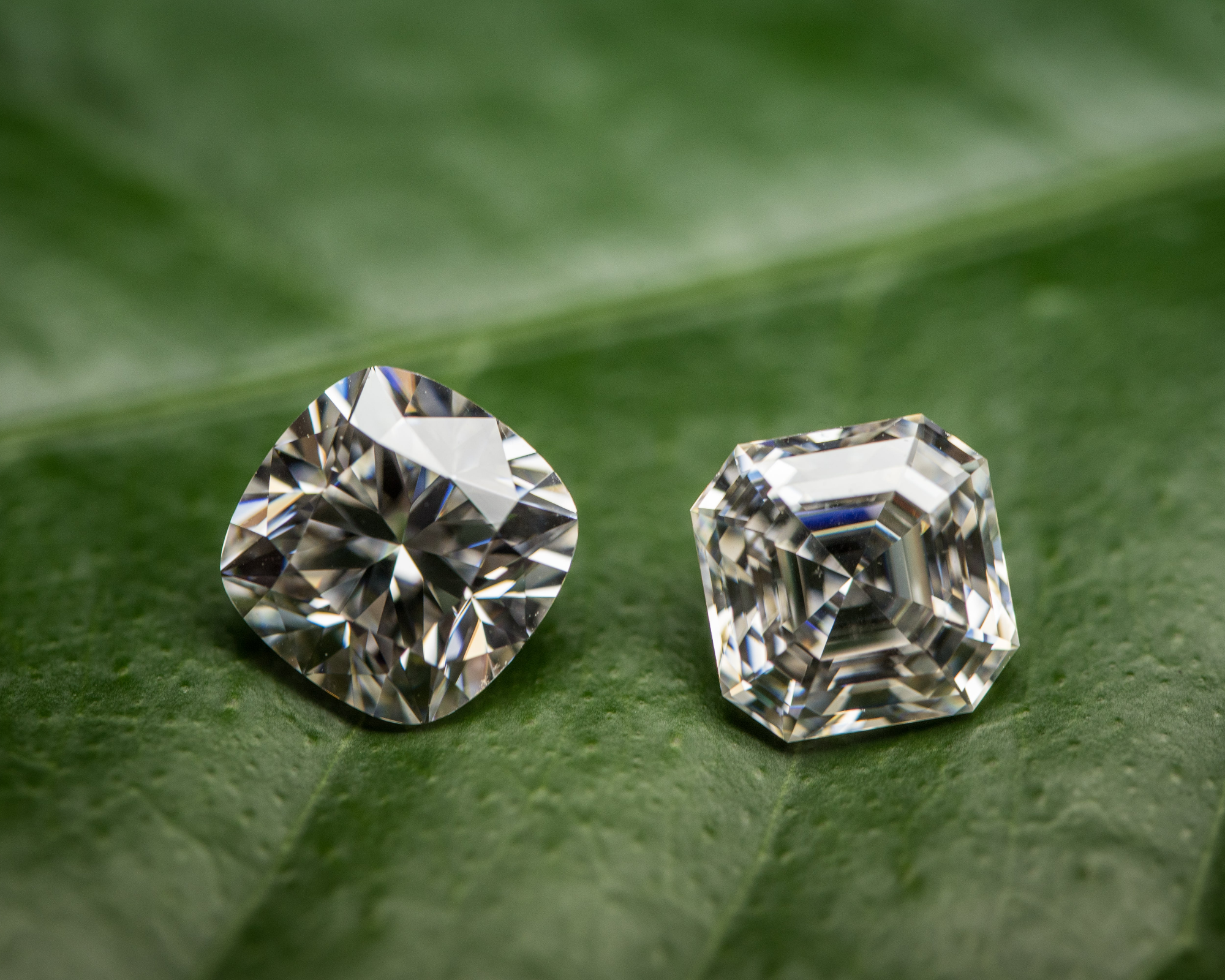
Was sind Labordiamanten?
Labordiamanten, auch synthetische oder künstliche Diamanten genannt, werden unter kontrollierten Bedingungen in einem Labor hergestellt. Dabei werden zwei Hauptmethoden verwendet:
- Hochdruck-Hochtemperatur (HPHT): Hierbei wird ein Diamantkeimling unter extrem hohen Druck und Temperaturen gezüchtet, ähnlich wie natürliche Diamanten in der Erde entstehen.
- Chemische Gasphasenabscheidung (CVD): In diesem Verfahren wird ein Gas, meist Methan, in eine Kammer geleitet, wo sich Kohlenstoffatome auf einem Substrat absetzen und Schicht für Schicht einen Diamanten bilden.
Labordiamanten sind chemisch und physikalisch identisch mit natürlichen Diamanten, was bedeutet, dass sie dieselbe Härte, Dichte, Lichtbrechung und Transparenz aufweisen.
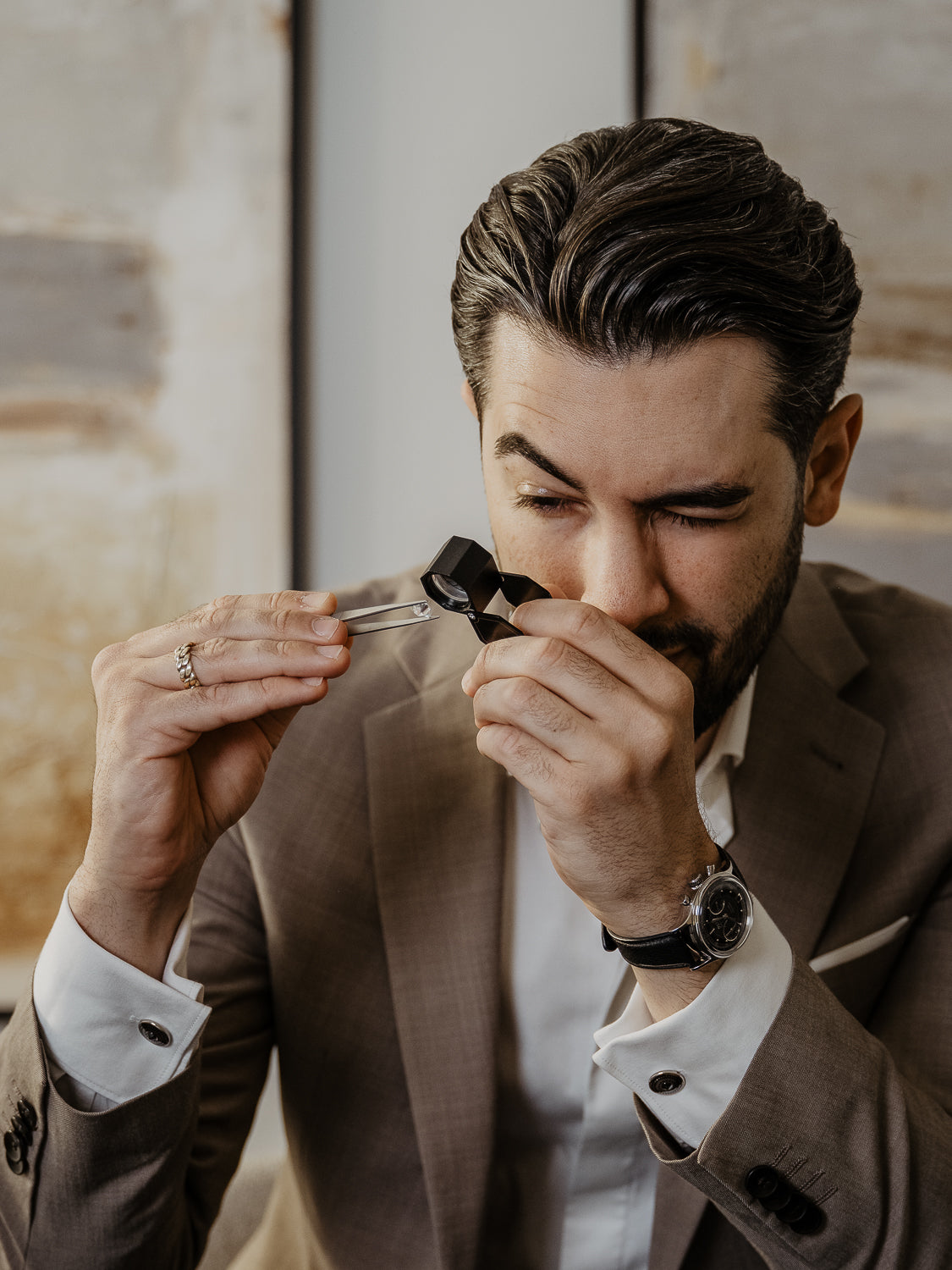
Wie unterscheiden sich Labordiamanten und natürliche Diamanten?
1. Herkunft
- Natürliche Diamanten: Diese Diamanten entstehen über Millionen von Jahren tief unter der Erdoberfläche unter extremen Bedingungen. Sie werden durch Bergbau gewonnen, oft in abgelegenen und ökologisch sensiblen Gebieten.
- Labordiamanten: Diese Diamanten werden in wenigen Wochen unter Laborbedingungen hergestellt. Sie sind ein Produkt der modernen Wissenschaft und Technologie und nicht der natürlichen Geologie.
2. Ethik
- Natürliche Diamanten: Der Abbau kann mit ethischen Problemen verbunden sein, insbesondere in Regionen, in denen es Konflikte gibt (Stichwort „Blutdiamanten“). Obwohl es Zertifizierungen wie den Kimberley-Prozess gibt, der den Handel mit Konfliktdiamanten einschränken soll, sind ethische Bedenken nach wie vor ein Thema.
- Labordiamanten: Da sie nicht aus Minen stammen, sind Labordiamanten konfliktfrei und gelten als ethisch unbedenklich.
3. Umweltverträglichkeit
- Natürliche Diamanten: Der Diamantenabbau hat erhebliche Umweltauswirkungen, einschließlich Bodenzerstörung, Verlust von Lebensräumen und hohem Wasserverbrauch.
- Labordiamanten: Die Produktion von Labordiamanten hat einen geringeren ökologischen Fußabdruck. Zwar erfordert der Prozess viel Energie, doch viele Hersteller setzen auf erneuerbare Energien, um die Umweltauswirkungen zu minimieren.
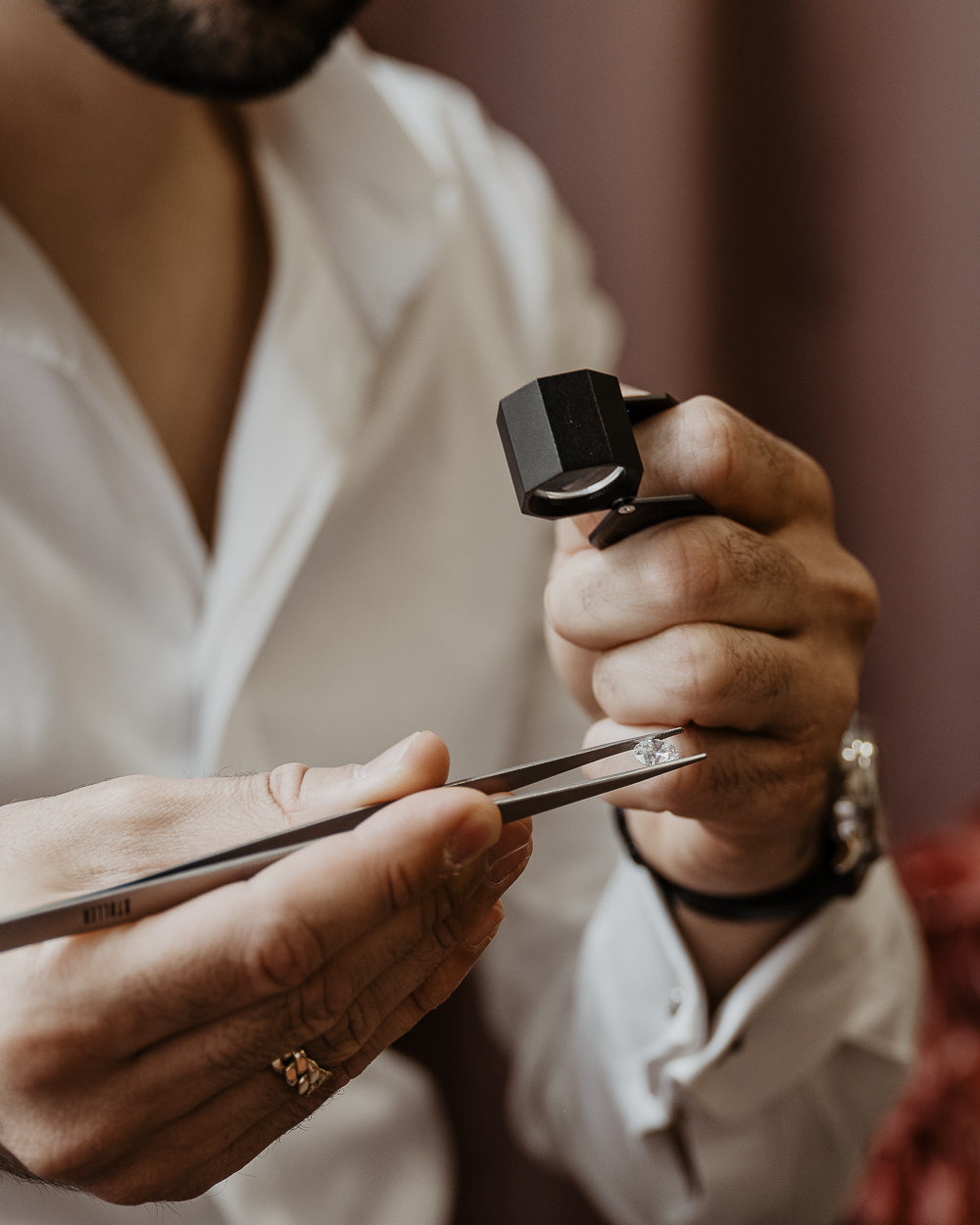
Qualität und Ästhetik: Kann man den Unterschied sehen?
Ein wesentlicher Vorteil von Labordiamanten ist, dass sie in Aussehen und Qualität nicht von natürlichen Diamanten zu unterscheiden sind. Sowohl Labordiamanten als auch natürliche Diamanten werden nach den „4 Cs“ bewertet:
- Carat (Karat): Das Gewicht des Diamanten.
- Cut (Schliff): Wie gut der Diamant geschliffen wurde, um Licht zu reflektieren.
- Color (Farbe): Die Farbskala reicht von D (farblos) bis Z (leichte Gelbtöne).
- Clarity (Reinheit): Wie frei der Diamant von inneren und äußeren Mängeln ist.
In Labors gezüchtete Diamanten können dieselben hohen Qualitätsstandards erreichen wie ihre natürlichen Gegenstücke, und selbst erfahrene Juweliere benötigen spezielle Geräte, um sie voneinander zu unterscheiden.
Preisvergleich: Welche Option ist günstiger?
Labordiamanten sind in der Regel 30-50% günstiger als natürliche Diamanten. Dieser Preisunterschied ist auf die geringeren Herstellungskosten und das Fehlen von Bergbaukosten zurückzuführen.
Ein weiterer Vorteil ist, dass der Preis von Labordiamanten weniger volatil ist als der von natürlichen Diamanten, was sie zu einer kostengünstigeren und stabileren Wahl macht.

Ethik & Nachhaltigkeit
In einer Zeit, in der Konsumenten zunehmend Wert auf ethische und nachhaltige Produkte legen, bieten Labordiamanten eine attraktive Alternative:
- Umweltfreundlicher: Labordiamanten haben einen geringeren ökologischen Fußabdruck, insbesondere wenn sie mit erneuerbaren Energien hergestellt werden.
- Konfliktfrei: Labordiamanten sind per Definition konfliktfrei, was sie zu einer ethisch vertretbaren Wahl macht.
Langfristiger Wert: Wie entwickeln sich die Preise?
Der langfristige Wert von Diamanten ist schwer vorherzusagen und hängt von vielen Faktoren ab, darunter Angebot, Nachfrage und Markttrends:
- Natürliche Diamanten: Traditionell gelten natürliche Diamanten als wertbeständig und manchmal sogar wertsteigernd, besonders bei seltenen und aussergewöhnlichen Steinen. Wie z.B Blaue oder Gelbe Diamanten.
- Labordiamanten: Da sie künstlich hergestellt werden können, könnte ihr Wert im Laufe der Zeit stabil bleiben oder sinken, besonders wenn die Produktionskosten weiter sinken.
Jedoch ist der Wert eines Verlobungsrings oder Schmuckstücks nicht nur monetär, sondern auch emotional – und hier können beide Arten von Diamanten gleichermaßen wertvoll sein. Da ein Verlobungsring in der Regel eh nie wieder verkauft wird.
FAZIT
Welcher Diamant ist die richtige Wahl für dich?
Ob du dich für einen natürlichen Diamanten oder einen Labordiamanten entscheidest, hängt von deinen Prioritäten ab:
- Ethik und Nachhaltigkeit: Wenn dir ethische und umweltfreundliche Praktiken wichtig sind, ist ein Labordiamant die beste Wahl.
- Tradition und langfristiger Wert: Wenn du Wert auf Tradition und den möglichen langfristigen Wert legst, könnte ein natürlicher Diamant besser zu dir passen.
- Budget: Labordiamanten bieten eine preiswerte Alternative, die jedoch in Qualität und Aussehen den natürlichen Diamanten in nichts nachsteht.
Egal, für welchen Diamanten du dich entscheidest – er wird ein wunderschönes Symbol für deine Liebe und dein Engagement sein.

60 Tage Kostenlose Ringgrössen Anpassung

Schweizer Juwelier