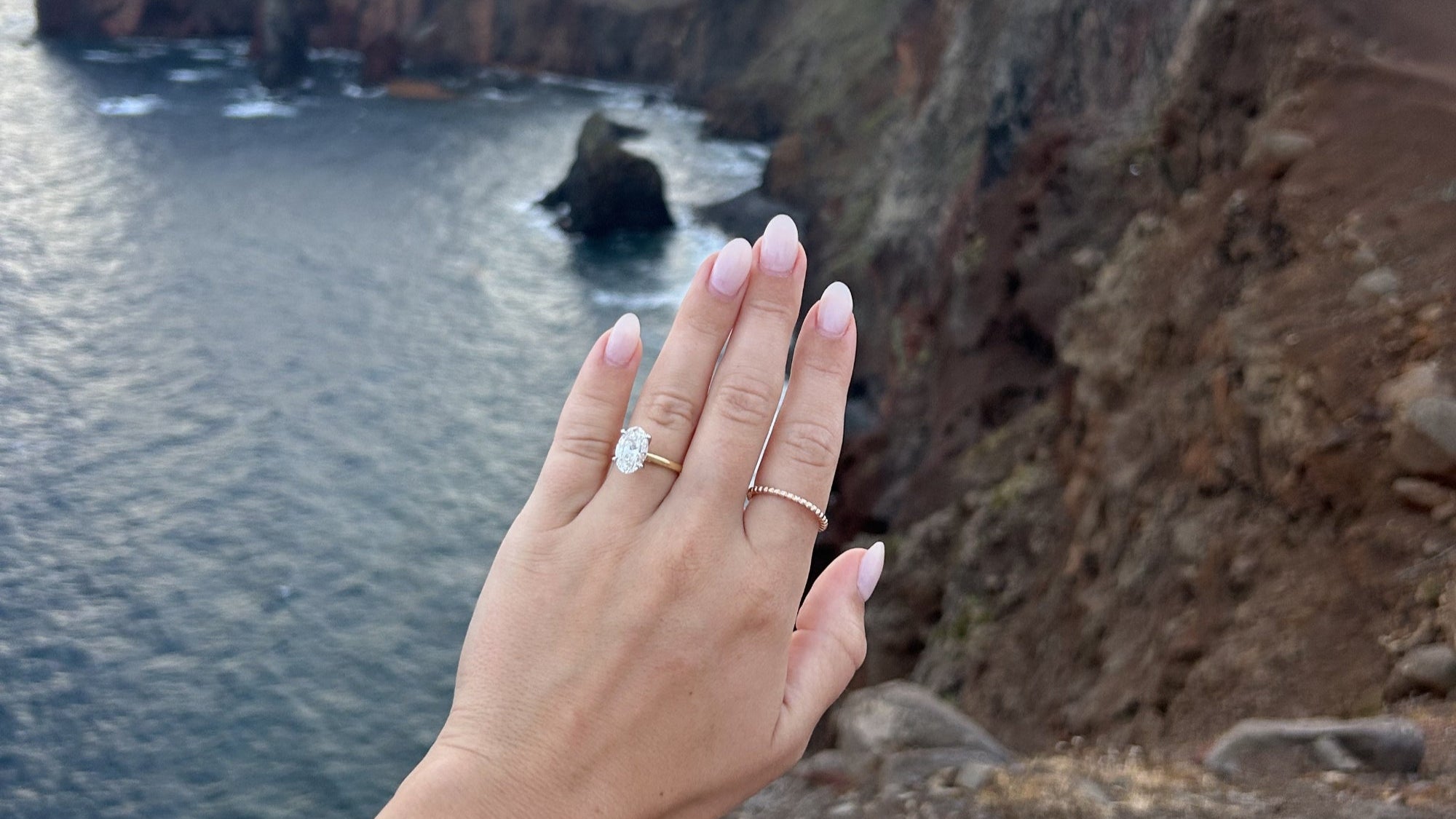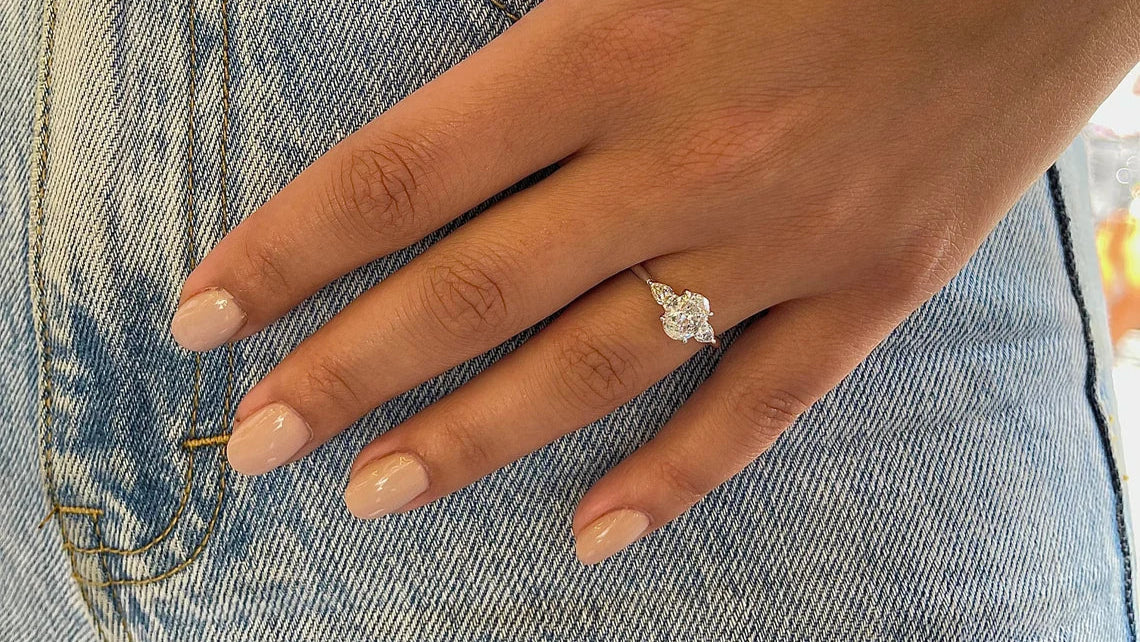
Verlobungsring mit Labordiamant – Die moderne Alternative zum natürlichen Diamanten
Ein Verlobungsring ist das Symbol für Liebe, Beständigkeit und einen Neuanfang. Doch wer heute auf der Suche nach dem perfekten Ring ist, steht oft vor einer zentralen Frage: Natürlicher Diamant oder Labordiamant?
Immer mehr Paare entscheiden sich für einen Verlobungsring mit Labordiamant – und das aus guten Gründen. In diesem Beitrag erfährst du, was ein Labordiamant ist, worin die Unterschiede zum natürlichen Stein liegen und warum diese moderne Alternative so beliebt ist.
Was ist ein Labordiamant?
Ein Labordiamant – auch synthetischer Diamant oder künstlich hergestellter Diamant genannt – ist ein echter Diamant, der im Labor gezüchtet wurde. Die chemische Zusammensetzung, die Härte und das Funkeln sind identisch mit einem natürlichen Diamanten.
Der große Unterschied: Während natürliche Diamanten über Millionen Jahre tief in der Erde entstehen, wird der Labordiamant in wenigen Wochen unter kontrollierten Bedingungen erzeugt – nachhaltig, transparent und ohne Minenabbau.
Wie wird ein Labordiamant hergestellt?
Zwei Verfahren dominieren die Produktion:
1. HPHT (High Pressure High Temperature) – imitiert die Bedingungen im Erdinneren.
2. CVD (Chemical Vapor Deposition) – züchtet den Diamantkristall aus Gas in Schichten.
Beide Methoden liefern Diamanten von höchster Qualität – zertifizierbar und visuell nicht vom natürlichen Stein zu unterscheiden.
Vorteile eines Verlobungsrings mit Labordiamant
- Nachhaltig und umweltfreundlich: Keine Minen, kein Eingriff in Ökosysteme.
- Ethisch unbedenklich: Labordiamanten sind garantiert konfliktfrei.
- Günstiger Preis: In der Regel 30–50 % günstiger als vergleichbare Naturdiamanten.
- Visuell identisch: Kein Mensch erkennt ohne Spezialgeräte den Unterschied.
Labordiamant vs. natürlicher Diamant – Der Vergleich
| Kriterium | Labordiamant | Natürlicher Diamant |
| Herkunft | Im Labor gezüchtet | Tief aus der Erde gefördert |
| Preis | Günstiger | Teurer |
| Optik | Identisch | Identisch |
| Öko | Umweltfreundlicher | Hoher Fussabdruck |
| Ethik | Konfliktfrei | Herkunft teils unklar |
| Wertanlage | Geringere Wertsteigerung | Potenzielle Wertanlage |
Für wen ist ein Labordiamant die richtige Wahl?
Ein Verlobungsring mit Labordiamant ist ideal, wenn:
- du nachhaltig denkst,
- ein grösserer Stein im Budget bleiben soll,
- du auf Ethik und Transparenz Wert legst,
- oder einfach nur das Beste aus Preis & Qualität suchst.
Gibt es Zertifikate für Labordiamanten?
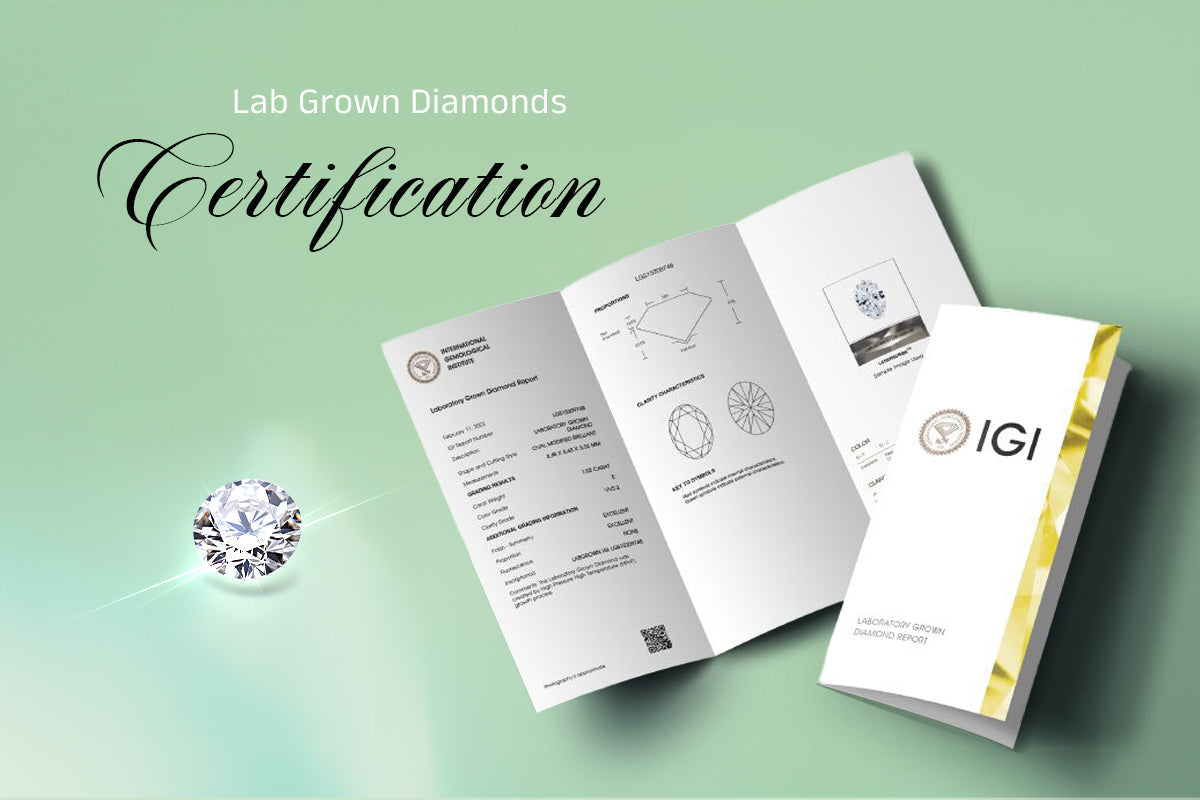
Ja! Auch Labordiamanten werden von renommierten Instituten wie GIA, IGI oder HRD zertifiziert. Diese Zertifikate dokumentieren:
- Karatgewicht
- Farbe
- Schliff
- Reinheit
- Herstellungsverfahren
Wo kann man Verlobungsringe mit Labordiamant kaufen?
Immer mehr Juweliere und Online-Shops bieten gezielt Ringe mit Labordiamanten an. Achte beim Kauf auf:
- Zertifikate
- Materialqualität (z. B. 750er Gold, Platin)
- Anpassungsservice für Ringgrösse
- Rückgaberecht und Garantie
Fazit: Verlobungsring mit Labordiamant – modern, fair, brillant
Ein Verlobungsring mit Labordiamant ist keine „Billigversion“, sondern eine bewusste Entscheidung. Für viele ist er der perfekte Kompromiss aus Ästhetik, Nachhaltigkeit und Budget.
Und das Beste: Der Ring sieht genauso aus – nur mit besserem Gefühl.
Wenn du mit einem klaren Gewissen und einem wunderschönen Stein um die Hand deiner grossen Liebe anhalten willst, ist ein Labordiamant genau richtig.
FAQ – Häufige Fragen zu Labordiamanten
· Sind Labordiamanten echte Diamanten?
Ja – sie sind chemisch und physikalisch identisch mit natürlichen Diamanten.
· Wie viel günstiger sind Labordiamanten?
Je nach Grösse und Qualität rund 40–50 % günstiger als Naturdiamanten.
· Kann man einen Labordiamanten erkennen?
Nur mit speziellen Geräten – mit blossem Auge ist kein Unterschied sichtbar.